
For large retail enterprises, supply chain visibility is not just an operational requirement. It is a foundation for speed, accuracy, customer experience, and scalable growth.
As retail networks expand across vendors, distribution centres, stores, and reverse logistics flows, the gap between physical inventory and system inventory can create serious business impact. Products may be present physically but missing digitally. Shipments may move without real-time validation. Store teams may spend hours reconciling inward stock, while distribution centres depend on long cycle-count processes to verify inventory accuracy.
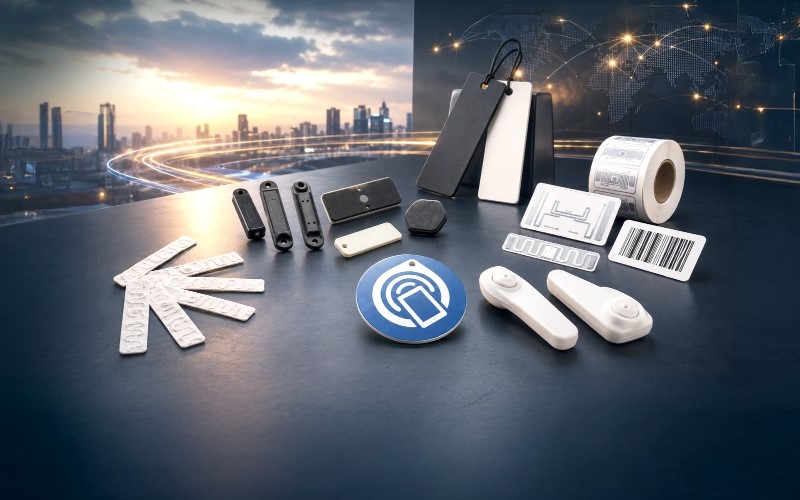
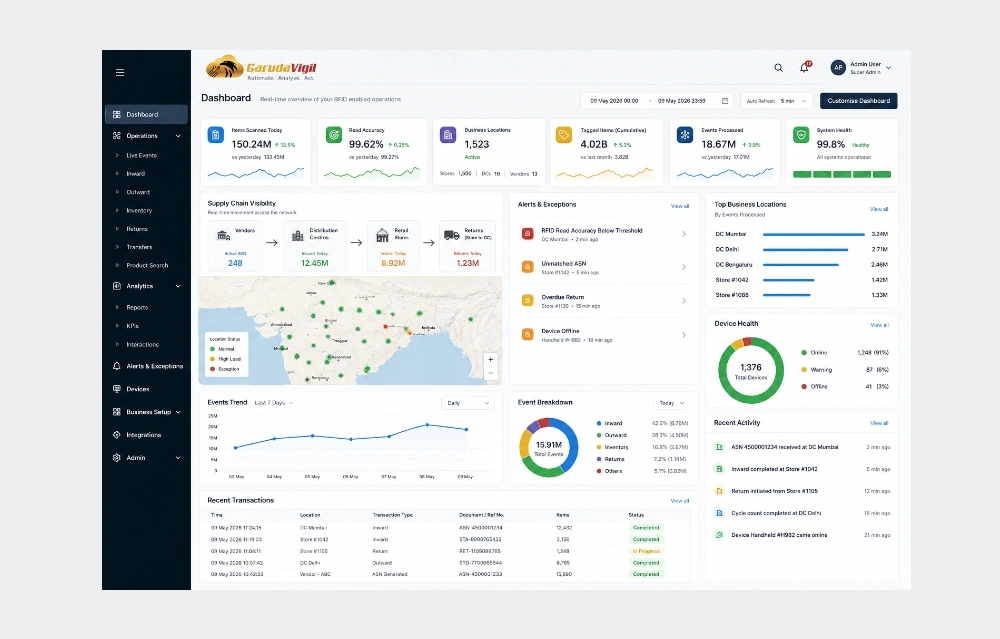
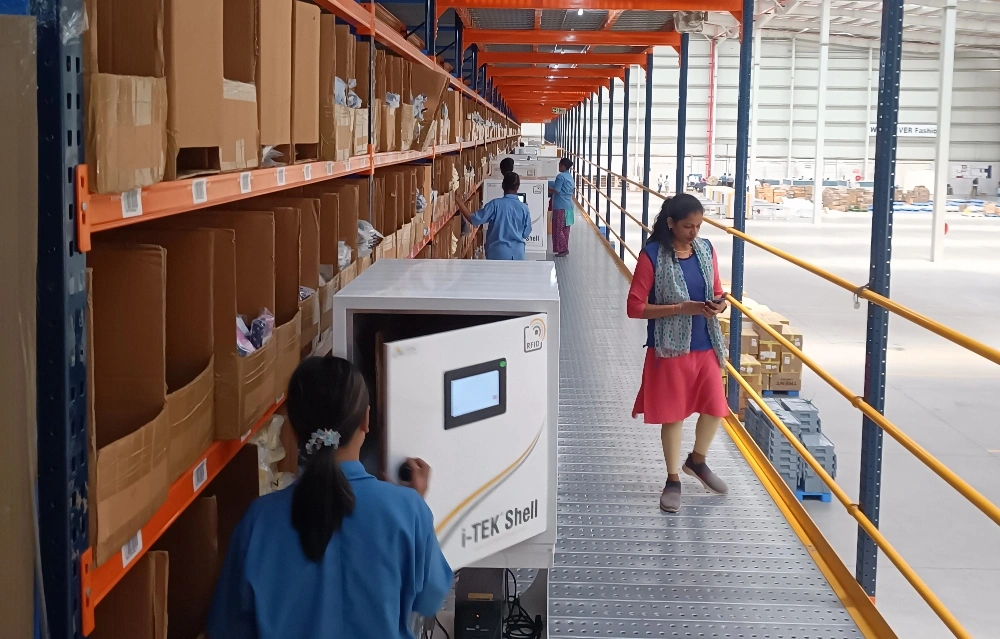
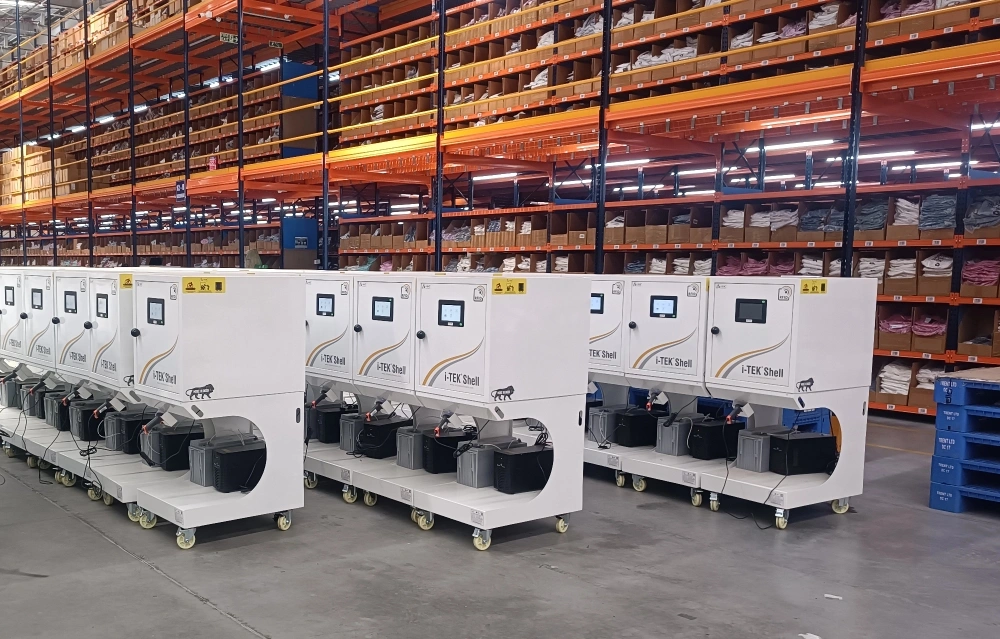
i-TEK helped address this challenge through an end-to-end SAP-integrated RFID supply chain transformation powered by Garuda Vigil, i-TEK’s real-time RFID intelligence platform, and connected RFID edgeware including tunnels, shell/cabinet systems, and handheld readers.
The result was a digitally orchestrated retail supply chain where physical product movement was captured, validated, and converted into reliable enterprise intelligence.
Scale of Implementation
This deployment represents one of India’s largest integrated RFID and SAP retail implementations, spanning multi-location, multi-business-line operations across diverse product categories.
Scale Indicator | Deployment Scale |
Retail Stores | 1500+ |
Distribution Centres | 10+ |
Merchandise Vendors | 450+ |
Items Tagged and Traced | 5B+ |
Items Scanned Daily | 150M+ |
Accuracy Rate | 99.6% |
The complexity was not only in the scale of locations, but in the need to ensure reliable data continuity across every operational stage — from vendor dispatch to DC inward, store receiving, returns, replenishment, and inventory correction.
Business Challenge
Large retail supply chains move at high speed, but many operational processes still depend on manual checks, barcode scans, delayed reconciliation, and post-facto exception handling. At enterprise scale, even small visibility gaps can lead to stock mismatch, shipment errors, inventory drift, and customer experience issues.
Before the RFID-led transformation, the business faced several critical challenges:
Limited Real-Time Inventory Visibility
Inventory visibility was often delayed because physical movements were not always reflected immediately in enterprise systems.
High Manual Dependency
Store inward, DC cycle count, dispatch verification, and returns required significant manpower and time.
Delayed Error Detection
Shipment mismatches, excess quantities, shortages, wrong item placement, and unencoded tags were often identified after the movement had already happened.
Long Cycle Count Duration
Distribution centre cycle counts were time-consuming, limiting the frequency of accurate inventory validation.
Complex Reverse Logistics
Store-to-DC returns required heavy infrastructure, manpower, and reconciliation effort.
The enterprise needed more than RFID readers. It needed a platform-led visibility layer that could connect physical operations with SAP, WMS, and store-level workflows in near real time.
Business Objectives
The transformation was designed around four clear objectives:
Speed and Accuracy
Improve the speed and reliability of operations across vendors, distribution centres, and stores.
Real-Time Visibility
Enable near real-time inventory visibility across the complete retail supply chain network.
Data-Driven Decisions
Reduce manual errors, stock mismatches, and delayed reconciliation through automated data capture and validation.
Scalable Digital Foundation
Build an RFID-enabled operational foundation capable of supporting large-scale retail growth and high daily transaction volumes.
i-TEK Solution
i-TEK deployed an integrated RFID supply chain solution powered by Garuda Vigil, connected with SAP, WMS, and RFID edgeware.
Garuda Vigil acted as the central intelligence layer, enabling reliable, low-latency, and scalable data exchange between RFID touchpoints and enterprise systems. Instead of treating RFID scans as standalone reads, the platform converted them into validated business events.
Integrated Digital Stack
Layer | Role |
SAP ECC / SAP S/4HANA | System of record |
WMS | Warehouse execution layer |
Garuda Vigil | Real-time middleware and intelligence layer |
i-TEK RFID Edgeware | Tunnel, Shell, Handheld, and RFID devices |
The solution enabled real-time integration with SAP and WMS, digitized ASN and handling-unit flows, mapped EPC-level RFID identity with EAN/SKU-level business data, and supported configurable workflows across different operational processes.
This created a dependable connection between the physical and digital supply chain.
End-to-End Supply Chain Coverage
The deployment covered the full retail supply chain lifecycle.
Vendor Operations
At merchandise vendor locations, RFID encoding and scanning were used to create item-level traceability from source. Handling unit labels and ASN information were generated before dispatch.
Distribution Centre Operations
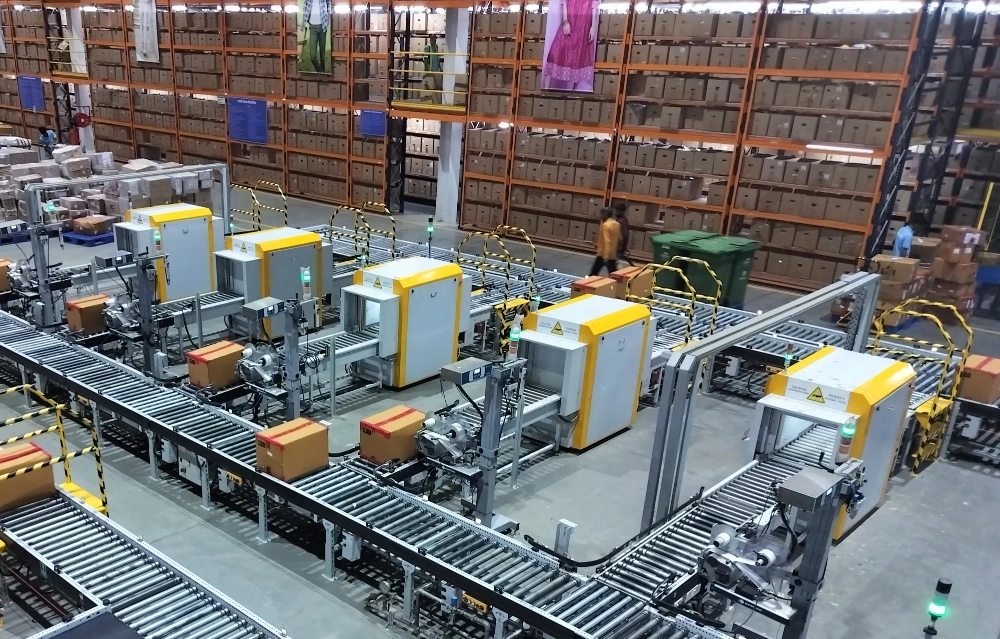
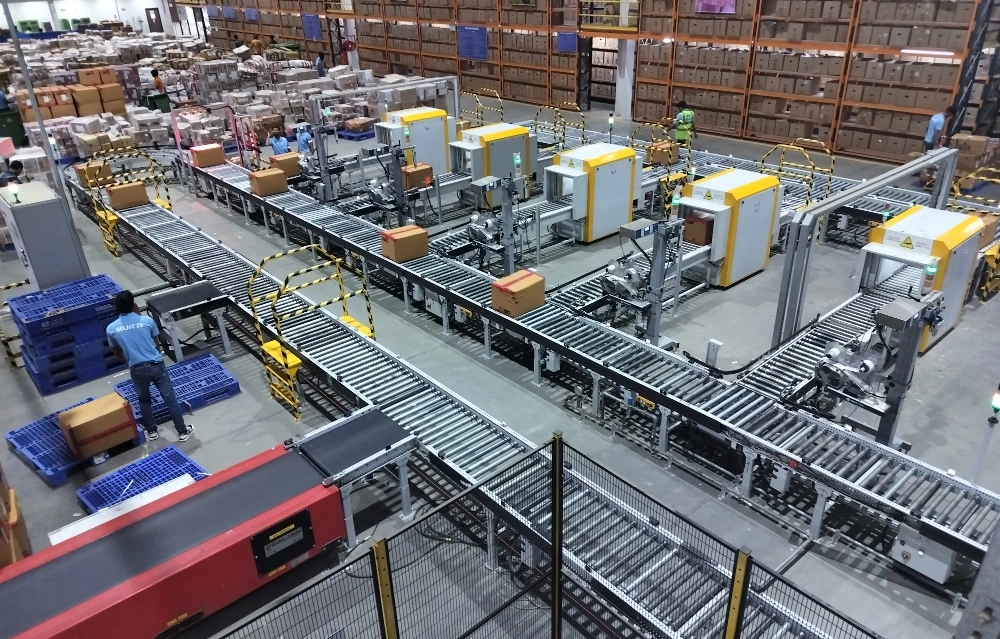
At distribution centres, RFID was used for inward validation, cycle count, outward dispatch, and handling-unit verification. Incoming goods were validated against expected shipment data, improving accuracy and reducing manual scan dependency.
Retail Store Operations
At stores, RFID-enabled verification helped validate expected shipments, consolidate received data, improve inward posting, and support store-to-store transfers and returns.
Reverse Logistics
Store-to-DC return workflows were optimized using RFID-based search, picking, handling-unit validation, and outward processing.
A key part of the architecture was the Handling Unit, which acted as a persistent digital container identity across the supply chain lifecycle. This allowed ASN and HU numbers to be maintained across movement stages until DC put-away.
Key Use Cases Implemented
RFID Encoding at Source
Merchandise vendors encoded RFID tags and prepared RFID-ready goods before dispatch, reducing downstream tagging effort and improving traceability from the origin.
HU Label Generation and ASN Creation
Handling units were created, labelled, and linked with ASN data, enabling better shipment-level control before goods reached the distribution centre.
DC Inward Validation
RFID scans at DC inward points validated actual received goods against expected ASN and HU data, helping identify excess, shortage, and mismatch cases early.
Bin-Level Cycle Count
RFID-enabled cycle count workflows helped distribution centres verify stock faster and improve inventory reliability at bin level.
Store Inward Verification
Stores could verify incoming shipments faster using RFID, reducing manual effort and improving transaction accuracy.
Store-to-DC Returns
Reverse logistics became more efficient through RFID-based search, picking, validation, and outward workflows.
Replenishment Intelligence
On-demand replenishment visibility helped enable more controlled, daily, and data-driven store operations.
Operational Transformation
RFID integration delivered measurable improvements across speed, manpower, visibility, and error detection.
Parameter | Before | After |
Store Inward Time | 6 hours with 10 staff | 30 minutes with 2 staff |
DC Cycle Count | Approximately 200 days | Approximately 8 days |
Store-to-DC Returns | High infrastructure and manpower dependency | 90%+ reduction |
Replenishment | Periodic or ad-hoc | Controlled and daily |
Inventory Visibility | Limited and delayed | Near real-time |
Error Detection | Post-facto | Real-time |
The transformation helped reduce manual dependency, improve operational accuracy, and create stronger trust between physical inventory and enterprise system data.
Exception Handling and Validation
At this scale, exception handling was critical. Garuda Vigil enabled layered validation across movement workflows, helping teams identify and resolve operational deviations before they created downstream disruption.
The solution handled exceptions such as incorrect PO, ASN, HU, or STA references, excess or short shipment quantities, unencoded RFID tags, and wrong item placement within handling units.
Validation rules were configured at HU and EAN level, with acceptable variance thresholds and fallback mechanisms such as auto-retry for SAP/WMS failures and bulk manual posting for pending transactions.
This helped strengthen reliability, reduce data loss risk, and improve operational continuity across large-scale retail processes.
Advanced Store Intelligence
Beyond supply chain movement, Garuda Vigil also enabled store-level intelligence.
High-speed RFID-based cycle counts helped reconcile physical and system inventory more frequently. Directional product search enabled store associates to locate items quickly across store zones. Fitting room analytics helped retailers understand try-on behaviour, dwell time, customer preferences, and conversion patterns.
RFID-enabled interactions such as smart mirrors, pick-to-play, and put-to-play experiences further extended RFID from operational visibility into customer engagement and assisted selling.
This helped transform RFID from a back-end tracking mechanism into a broader retail intelligence layer.
Business Value Delivered
The implementation delivered value across multiple dimensions:
The larger value was not just automation. It was the creation of an operational truth layer that connected physical movement with enterprise decision-making.
Strategic Impact
This implementation demonstrated how large-scale retailers can move from manual operations to intelligent automation.
SAP remained the system of record, while Garuda Vigil acted as the real-time intelligence layer that brought enterprise systems closer to ground reality. RFID edgeware captured what was happening physically, and the platform converted those reads into validated workflows, alerts, reports, and business decisions.
For i-TEK, the case reflects a clear belief: RFID is not just about tags and readers. It is about helping enterprises build trusted visibility across every physical movement that matters.